

Weak Vs. Tight Pelvic Floor - What’s The Difference?
Most people assume (understandably) that leaking, pelvic pain or prolapse = weakness.
Our muscles function best when they can fully expand AND fully contract. A tight pelvic floor = a pelvic floor that is chronically contracted. Because it’s never moving through a full range of motion, this can lead to weakness over time, BUT the first priority of treatment is relaxation.
This is one of the things I see go wrong most often after a hysterectomy. Kegels are prescribed too soon, too much, and without anything to help relaxation.

You Probably Don't Need Kegels After Your Hysterectomy…
When you hear pelvic floor, do you immediately think "kegels"?
Yep. Most people do! So they just start doing them, assuming that hysterectomy = weak pelvic floor.
It actually doesn't always work that way, and kegels can sometimes worsen the bladder symptoms, pain, and tightness that can happen after a hysterectomy. Especially in the immediate healing period.
So what should you do instead of kegels? Here are 3 tips!

WTF Is Prolapse?
Prolapse is a big worry for many women who've had a hysterectomy. You may have even read statistics that say you're at an increased risk for prolapse after your surgery.
If you can understand your body's risk factors, you can address them before they become a bigger problem than they need to be.
So what are the signs of being at risk? These are what I see most often.
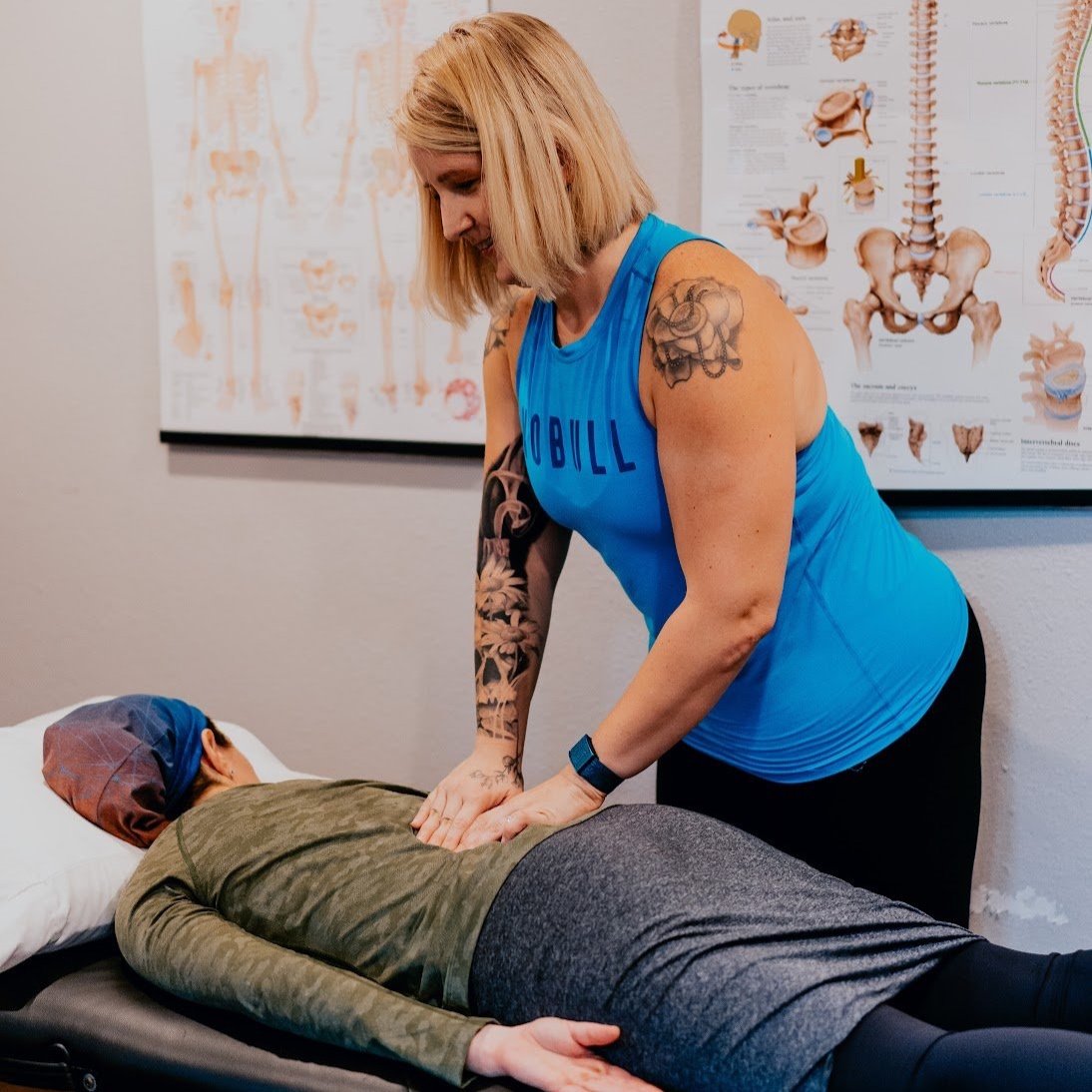
3 Ways To Manage Pain Post-Hysterectomy
A hysterectomy is a very difficult procedure on the body even though it can be life saving!
Here are three simple ways to manage pain after a hysterectomy…